I Stopped Optimizing for Google. Here’s My Plan for "Gemini Era" Traffic.
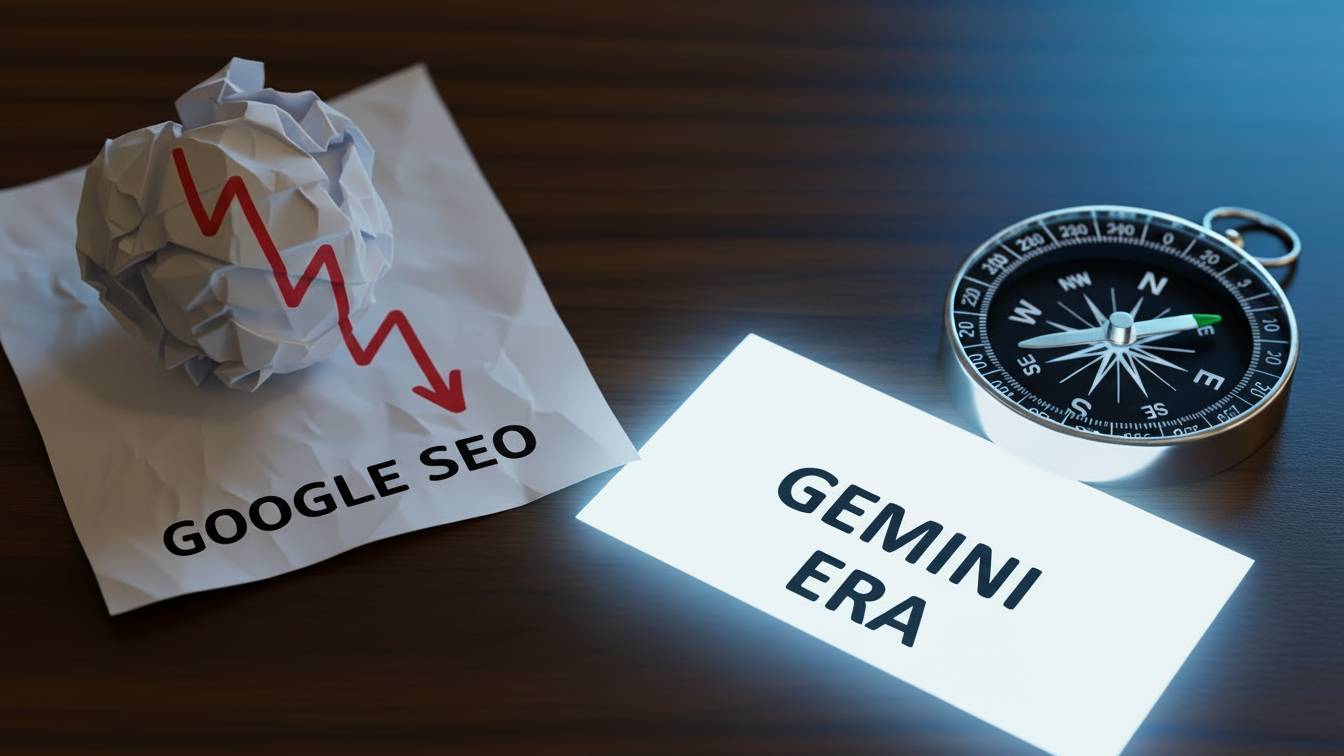
⚡ Key Takeaways:
The Crisis: "Zero-Click" searches are rising, but "Decision Traffic" (high-intent buyers) is skyrocketing.
The Pivot: We are shifting from SEO (Search Engine Optimization) to GEO (Generative Engine Optimization).
The Lab: This site is no longer just a blog. It is a testing ground for "Anti-AI Assets" that Gemini, ChatGPT, and Perplexity actually cite.
Last Tuesday, I opened my analytics dashboard and saw something that scared me.
Traffic was flat. But search volume was up.
Where did the users go? They didn't leave the internet. They just didn't click. They got their answer directly from the AI summary at the top of the page.
If you are a creator, a "Creative Generalist," or a business owner, you have two choices right now:
Keep writing 2,000-word "SEO articles" and watch your traffic slowly die.
Adapt.
I chose option 2.
Welcome to the "AI GEO Lab"
I am officially pivoting Infomly.com.
We are done with generic "Tech News." You can read that on The Verge. We are done with "Top 10 Tools" lists that were written by robots.
From today on, this site is a Live Laboratory.
We are dedicated to one mission: Cracking the code of GEO (Generative Engine Optimization).
The "Anti-AI" Experiment
Everyone says "Content is King," but AI can generate content faster than you can read it. So, what is the new King?
Anti-AI Assets.
These are assets that an LLM (Large Language Model) cannot fake.
Real Data: "I tested X and here is the graph."
Human Failure: "I lost $500 doing this..."
Proprietary Tools: Calculators and scripts.
Here is the Infomly Promise:
We Test, Then We Write: I won't tell you "how to rank" until I've actually ranked for it myself.
No Generic Fluff: If I can't show you a screenshot of the results, I won't publish the post.
Total Transparency: I will share my traffic stats—wins AND losses.
What We Are Testing This Month
My team and I are already running experiments on:
Structure: Do "Data Tables" make Gemini cite you more often?
Tone: Does using "I" statements (First Person) help you bypass AI content detectors?
Citations: How do you get mentioned in a Perplexity.ai footnote?
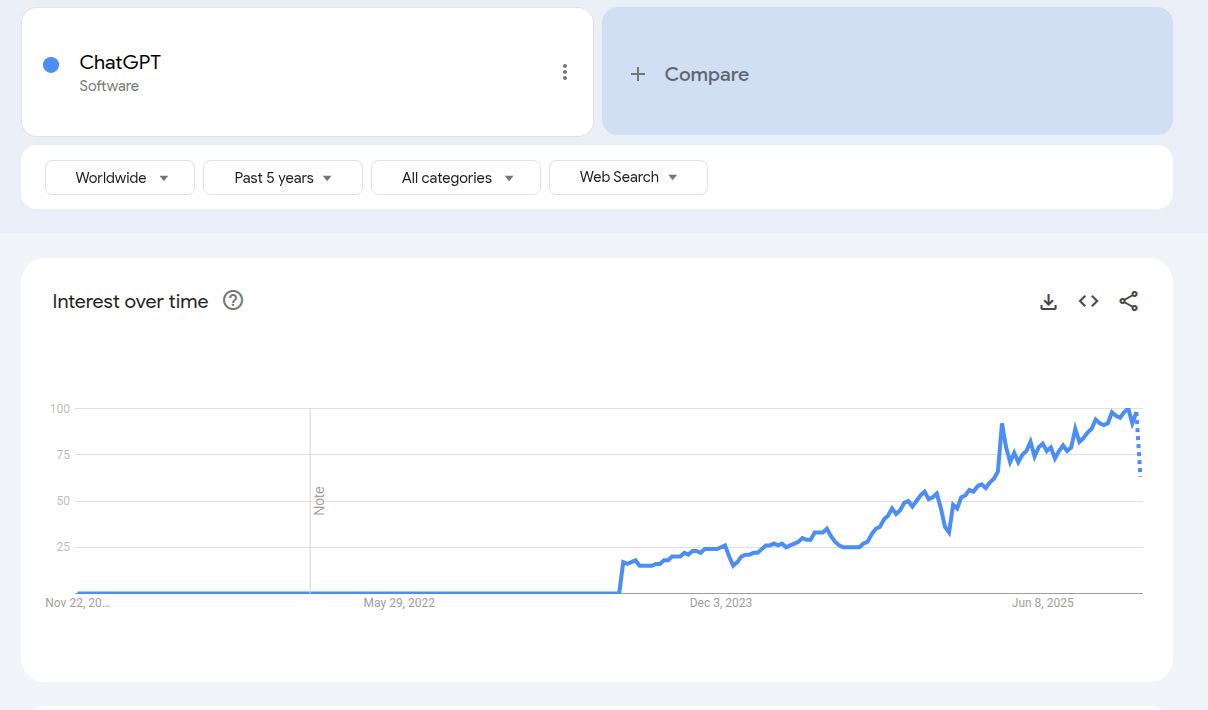
The Future: 3 Predictions for the "Gemini Era" (2026)
Most SEOs are optimizing for today. I am optimizing for where the puck is going. Based on the early data from this Lab, here is what I believe will happen in the next 18 months:
1. Search Engines Become "Decision Engines"
By 2026, users won't search to "browse"; they will search to decide. AI won't just list 10 websites; it will shortlist 3 solutions. If you aren't one of those 3 "cited" sources, you are invisible. We are optimizing to be the Recommendation, not just the Result.
2. "Hidden Traffic" Will Matter More Than Clicks
Recent data suggests that while AI sends less traffic, the traffic it does send converts 23x higher. Why? Because the user has already been "pre-sold" by the chatbot. Our strategy focuses on this "Hidden Revenue" rather than vanity traffic metrics.
3. Data Tables Will Outrank Paragraphs
LLMs like Gemini prefer structured data. They can read a table faster than they can parse a 500-word paragraph. My hypothesis is simple: The more tables, bullet points, and 'Key Takeaway' boxes you use, the higher you will rank. We are testing this theory right now in the Lab.
The Core Difference: SEO vs. GEO
You might be asking, "Is GEO just a buzzword?" No. It is a fundamental shift in how machines process information.
Traditional SEO was about convincing an algorithm that your page was the most relevant list of links.
GEO is about convincing a Large Language Model (LLM) that your content is the most factual answer.
Here is the breakdown of how I am changing my strategy:
Table: The Shift from SEO to GEO
Feature
Old SEO Strategy (2015-2023)
New GEO Strategy (2025+)
Goal
Get a click to the website.
Get cited in the AI answer.
Target Audience
Humans skimming for headlines.
AI parsing for facts & data.
Content Length
2,000+ words (Fluff to satisfy length).
Concise, data-heavy, structured.
Authority
Backlinks from other sites.
"Entity Salience" (Brand mentions).
Winning Format
Listicles ("Top 10 Tips").
Comparison Tables & Case Studies.
Why This Matters for AdSense
If you stick to the "Old SEO" column, you are fighting a losing battle. By optimizing for the "New GEO" column, we aim to be the source that Google extracts data from. This is how we survive.
Upcoming Experiments: What to Expect
Infomly is not a blog you read once and forget. It is a serial documentary of my journey to dominate AI search.
Here is a sneak peek at the case studies currently in the "Lab" pipeline:
Project "Solar System": Why I am spending 90% of my time on Google (The Sun) and only 10% on ChatGPT (Jupiter), despite the hype.
The "Perplexity" Test: I am rewriting 10 old articles to be purely "Q&A" style to see if Perplexity.ai prefers them.
The "Human Voice" Audit: purposefully adding grammatical "imperfections" and slang to my posts to see if they rank better than grammatically perfect AI-written content.
If you want to see the results of these tests, you need to stick around. I will be sharing the raw traffic logs—even if the experiments fail miserably.
Frequently Asked Questions (FAQ)
Is SEO completely dead?
No, SEO is not dead, but "informational SEO" is dying. If you write basic content like "What is a CPU?", AI will answer that instantly. However, "Transactional SEO" (reviews, buying guides) and "Experience SEO" (personal stories) are alive and well.
What exactly is Generative Engine Optimization (GEO)?
GEO is the process of optimizing content to be understood and cited by Generative AI models. Unlike SEO, which targets a ranked list, GEO targets the "citations" and "footnotes" inside an AI-generated answer.
Can I still make money with AdSense in the AI Era?
Yes, but the game has changed. You can no longer rely on high-volume, low-quality traffic. You need High-Intent Traffic. By focusing on "Tech Strategy" and "Decision Making" (like we do here at the Lab), the Revenue Per Mille (RPM) is significantly higher. We may get fewer visitors than a viral news site, but our visitors are worth 10x more to advertisers.
How do I optimize for Google Gemini?
Based on early research, Gemini prefers content that is highly structured. This includes using HTML tables, clear H2/H3 headers, and direct answers to questions within the first paragraph. It also favors content that demonstrates "First-Hand Experience" (Anti-AI Assets).
Final Thoughts
The landscape is changing faster than ever. But while others panic, we are getting to work.
The Lab is open. Let’s see what breaks.